Why Sellmitra is the Best Shopify Alternative in India
Compare Sellmitra and Shopify to find the right ecommerce platform for your business. Learn about pricing, mobile-first features, zero commission, and Indian-focused tools.

If you’ve ever wondered how much you need to sell just to cover your costs— without making a profit or a loss — you’re thinking about your break-even point.
In simple terms, the break-even point is when your income equals your expenses. It’s the line between losing money and starting to make a profit.
Whether you’re running a tea stall, managing a retail shop, or launching an online business, knowing your break-even point helps you stay in control of your finances.
For any vendor or business owner, understanding your break-even point helps you:
Avoid surprises when it comes to cash flow.
It’s a key step toward sustainable growth and business stability.
Before calculating your break-even point, you need to know your fixed and variable costs.
There are two common ways to calculate your break-even point:
The contribution marginis what’s left after subtracting your variable costs from the selling price. It’s the part of your revenue that helps cover your fixed costs.
Once your fixed costs are fully covered, any additional sales become profit.
Both are useful. For example:
Break-even analysis helps you:
If you increase your selling price, your break-even point goes down (you need to sell fewer units).
But be careful—not all customers may be willing to pay more.
If you lower your price, you need to sell more to break even. (High turnover) It's a balancing act between price and volume.
Let’s say you rent a bigger shop or hire more staff. Your fixed costs go up, and so does your break-even point. That means you need to sell more to avoid losses.
Yes, but not for long.
If your revenue is below your break-even point, you’re losing money. You can survive short-term, but over time, it’s not sustainable.
Break-even calculators (like the one on this page) are very accurate if:
They help you make quick, smart decisions without complex math.
To use the break-even calculator, you’ll need:
Once you enter these, the calculator will show:
To lower your break-even point, you can:
Smaller break-even = Less pressure, more flexibility.
If your business never breaks even, it means you’re always in loss.
You’ll eventually run out of money.
In that case:
Break-even is the first financial milestone. Without it, profit isn’t possible.
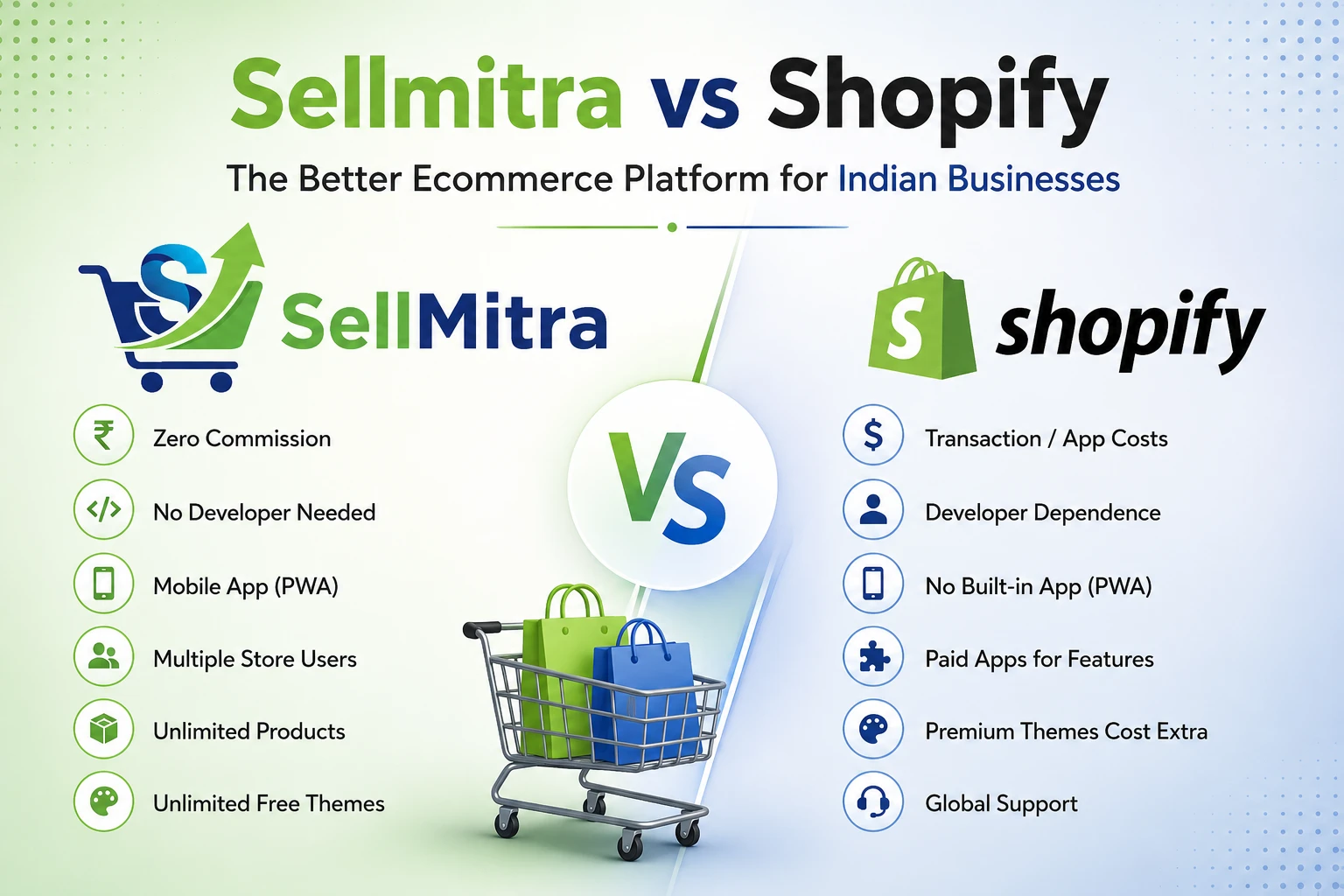
Compare Sellmitra and Shopify to find the right ecommerce platform for your business. Learn about pricing, mobile-first features, zero commission, and Indian-focused tools.

Discover why mobile apps are transforming ecommerce in India. Learn the benefits of PWAs, mobile commerce trends, and how they help grow sales.

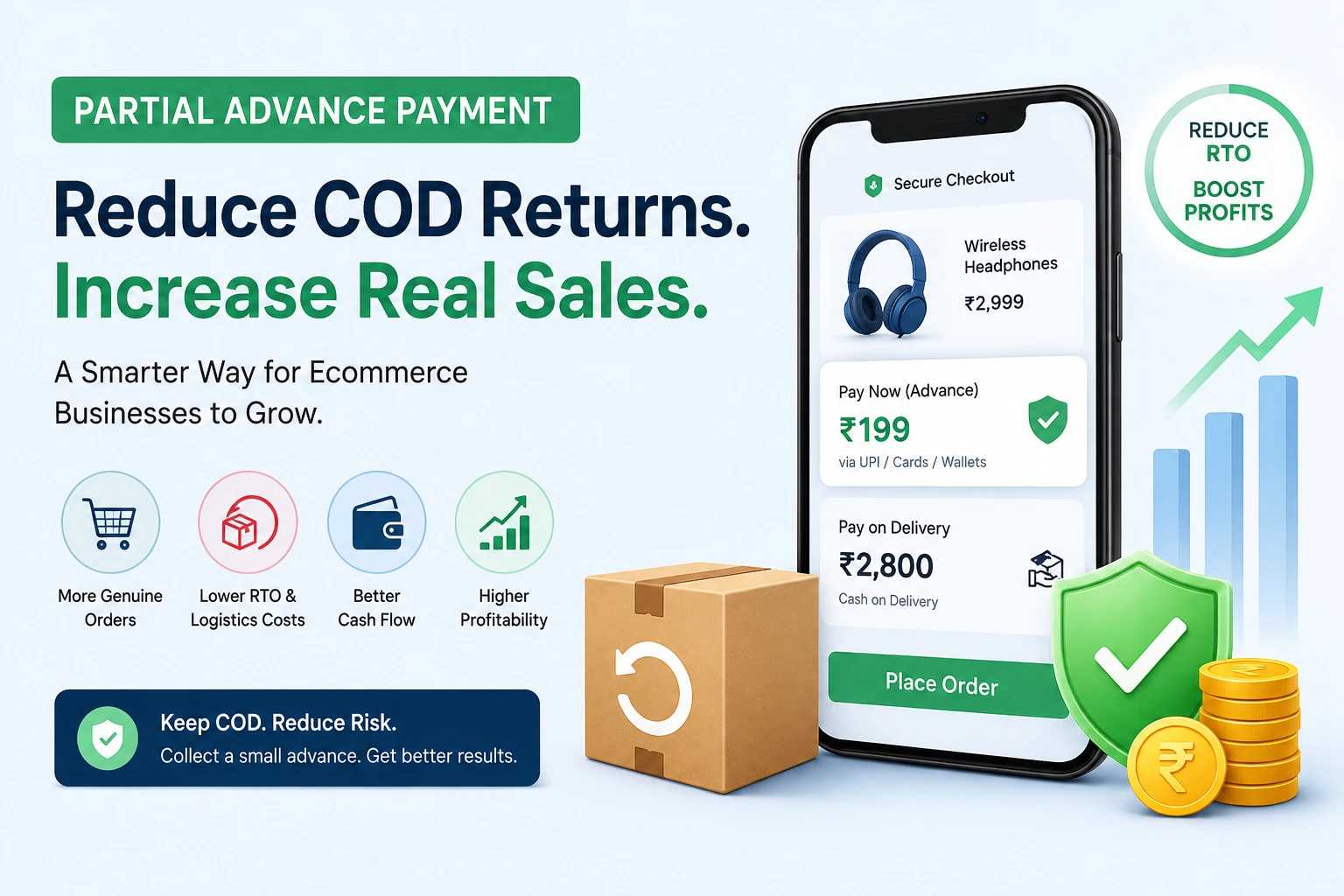
Learn how Partial Advance Payment helps ecommerce businesses reduce RTO, improve cash flow, increase genuine orders, and build customer trust without removing Cash on Delivery.
Join our WhatsApp channel for quick tips, product updates, and ideas to help you grow your online store efficiently.